My Italian Table, Set for Two

Sixty Mediterranean Recipes for the Way We Actually Eat

Almost every Italian recipe I went looking for, and kept, was written for six people. Six, eight, however many show up. Banquet numbers, for cousins who arrive unannounced. Dinner, most nights, is two plates and two glasses.

This book counts to two.

Front cover of My Italian Table, Set for Two, by Demetrio
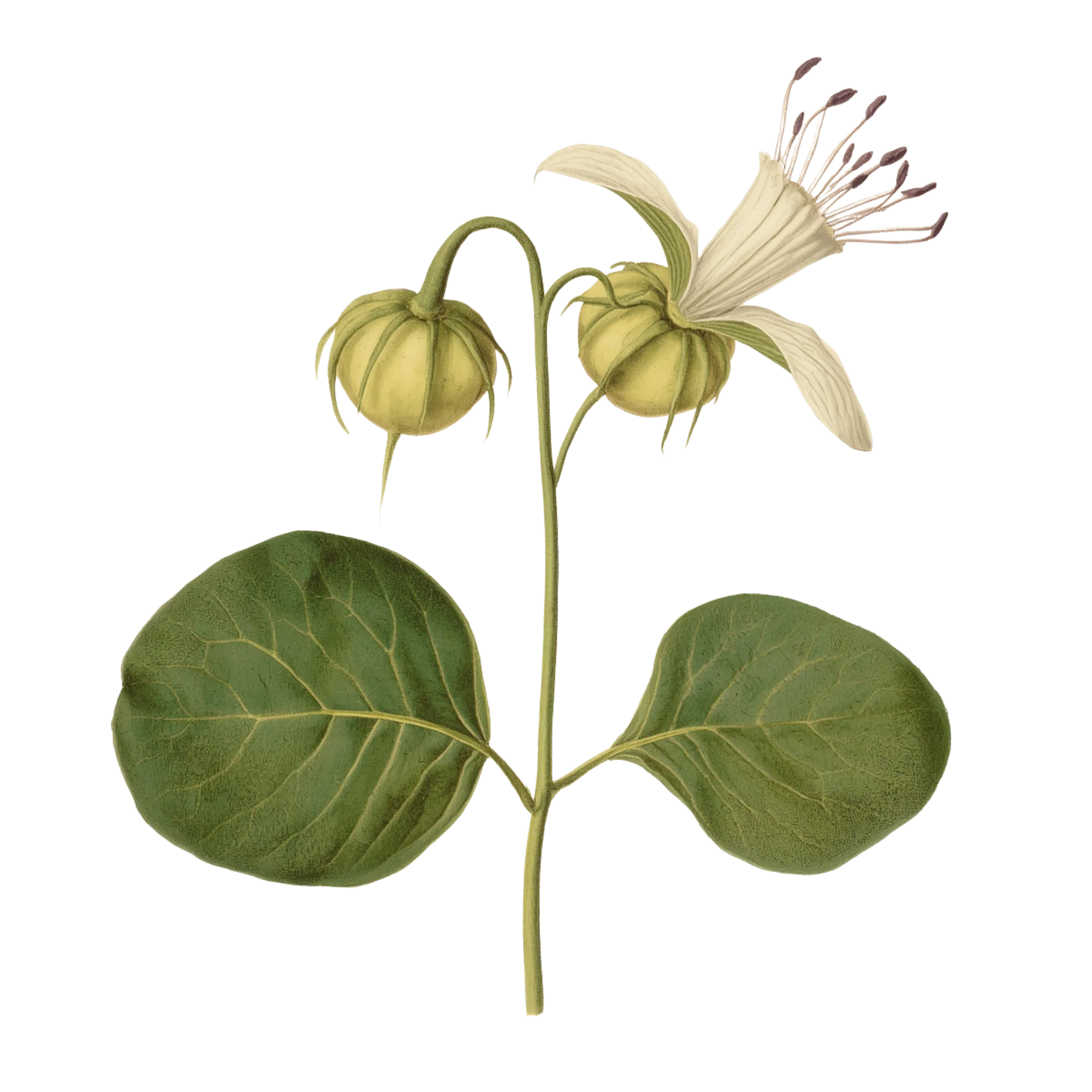
Botanical plate of a caper in flower

The Italy that leans on the sea

Sixty recipes from the coast and the islands: oil instead of butter, bread instead of rice, fish that costs little, vegetables chosen by looking at the calendar. Tomato, eggplant, anchovy, chickpeas, a clove of garlic thrown into hot oil. They call it the Mediterranean diet, with the solemnity of a conference. I call it dinner.

In these pages you will not find the ragù that simmers for four hours, the seven-layer lasagna is missing, and there is no trace of risotto finished with butter taken from the fridge at the last minute. Dishes I adore, let it be clear. But they belong to another Italy: that of the plains and the fog, of butter and rice, of braised meats that demand good wine and all of winter to succeed. It is a cuisine of high rank. It already has its books, written better than I would write them, and it does not need me to meddle in it.

Two speeds

There is the dinner you put together in twenty-five minutes coming home, and the Saturday work that takes its own time and a part of your dignity. Every recipe tells you, before you start, which kind of day you have gotten yourself into. Two of them, as they open in the book.

Tuesday

Aglio, olio e peperoncino

Garlic, Oil, and Chili Pasta · Serves 2 · about 15 minutes

Some consider this the recipe for those who don’t know how to cook or those who have nothing in the house. They are wrong on both counts. If anything, it is the recipe that unmasks you: with only four ingredients, you have nowhere to hide, and a burnt clove of garlic here is as noticeable as a discordant note in an empty room.

Saturday

Parmigiana di melanzane

Eggplant Parmigiana ·Weekend · Serves 2 · about 1 hour 15 minutes

There is a persistent prejudice that a meatless dish must necessarily be a side dish, a supporting act. The parmigiana refutes this with a certain solemnity. A practical warning: the baking dish does not know the meaning of a “half portion”. Make enough for two evenings and eat it lukewarm the second night, once the layers have finished settling.

What is inside

Cooking for two is not cooking less. It is cooking in the right measure, the one in which even a Tuesday has the right to a proper dinner.

Twenty-four plates

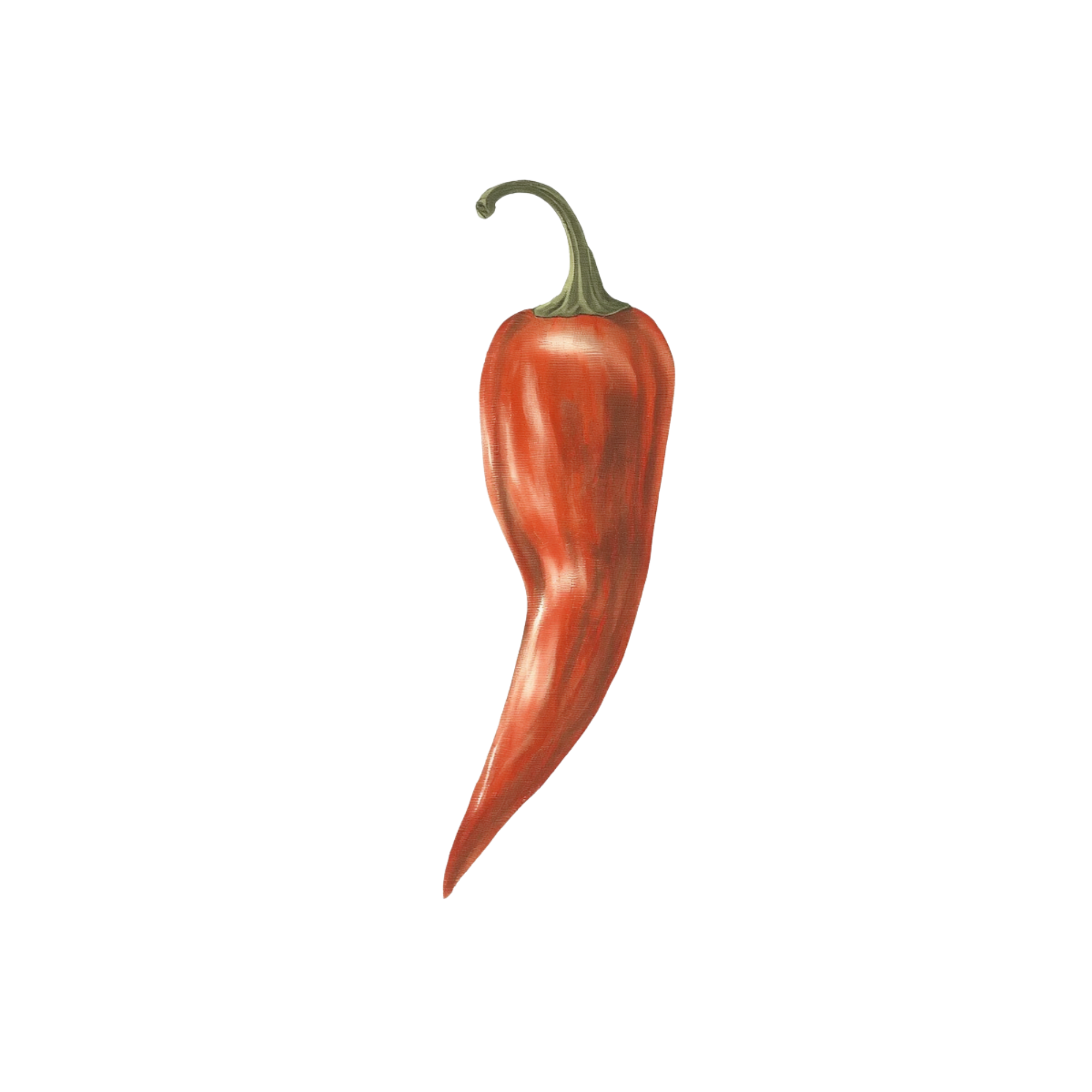
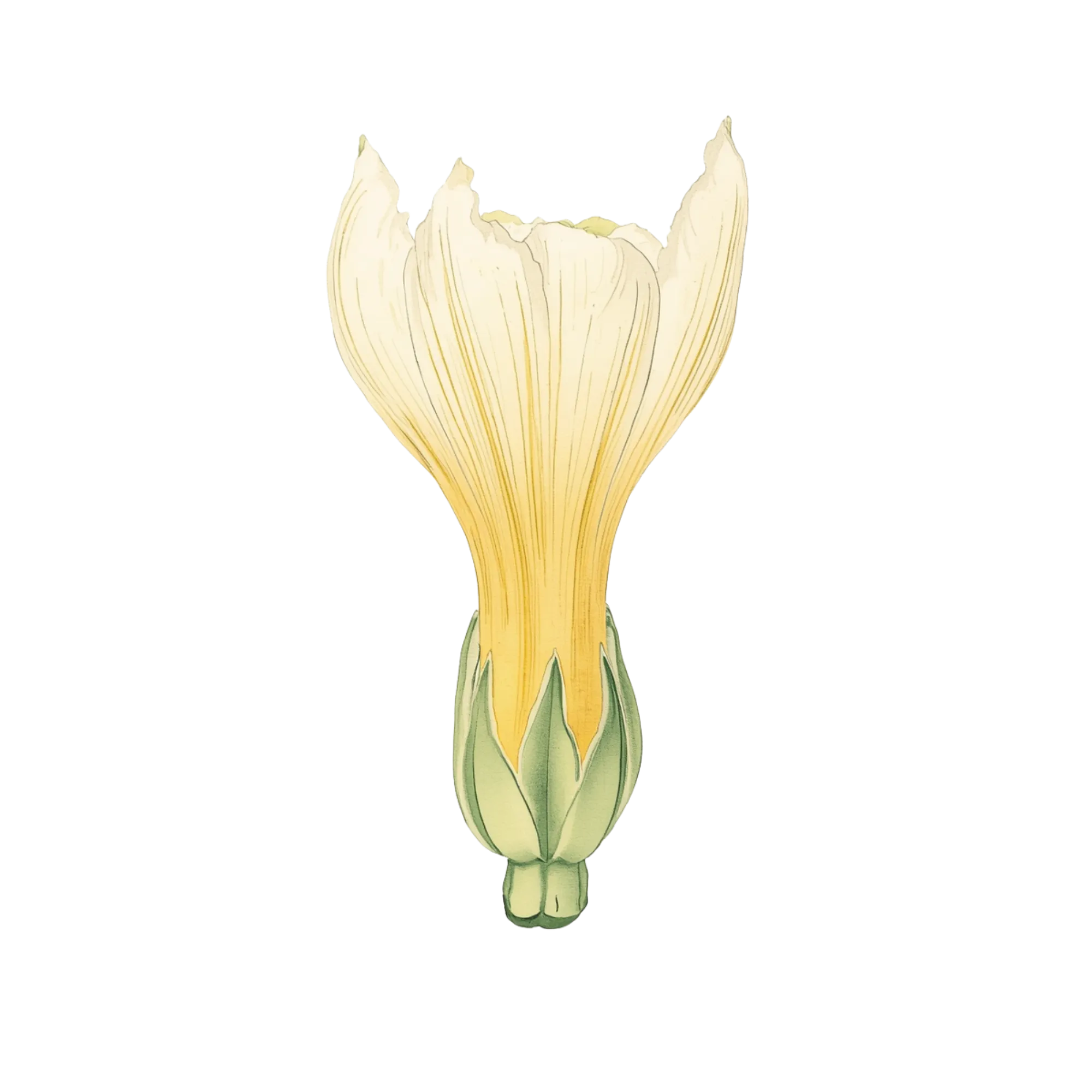
Drawn for the book, in the manner of a nineteenth-century herbarium: the chili, the caper in flower, the squash blossom, the broccoli rabe. And one octopus, which is not botanical and was not consulted.

Botanical plate of chili peppersBotanical plate of a caper in flowerBotanical plate of squash blossomsPlate of an octopus, drawn in the manner of a naturalist

The oil.

Everything else in this book has an alternative. If you cannot find friarielli, broccoli rabe is an honest substitute. If the tomatoes are out of season, drained canned San Marzano beat a tasteless winter tomato.

The oil has no substitute, and good intentions are not one.

Buy a real one, keep it away from the light, and use more of it than your sense of guilt suggests.

“If you have no ambition to become a cook of the grand tables, I do not believe that, to succeed, you must be born with a saucepan on your head: all it takes is passion, close attention, and precise habits.”

— Pellegrino Artusi, La scienza in cucina e l’arte di mangiar bene, 1891

Demetrio

Demetrio is not a chef and has never claimed to be one. He is a devoted amateur of honest Italian cooking, the everyday kind, faithful to its traditions, who, like Artusi, holds that care and attention count for more than a pan you have owned since birth. He cooks for two, and wrote this book for everyone who does the same.

The table is set for two. I do not ask you to cook Italian every night: that would be a demand, and demands spoil the appetite. I ask you, tonight, to do just one thing well.